
Debunking 8 lies of Web3: Myths about the web3
Web3 is not a fad yet there are lies being spread about it and even many enfluencers use those myths about the web3 to attract people’s attention.


Web3 is filled with a lot of opportunities and is evolving with constant new advancements. However, these advancements come with misleading information that can be very confusing. It is important to recognize and debunk these myths to insure accurate investment decisions.
8 myths about web3
Here we explore some lies that 90% of people believe in the space.
1. Lowering supply = Higher price
In traditional markets, the law of supply and demand suggests that when the supply of a product is reduced and demand remains constant, the prices go up. However, the same principle does not apply to cryptocurrencies.
In the cryptocurrency market, prices are highly volatile and affected by several factors such as speculation, government regulations, social media, and competition. Therefore, if the supply and demand of a particular coin are lowered, the prices may not increase or may even decrease.
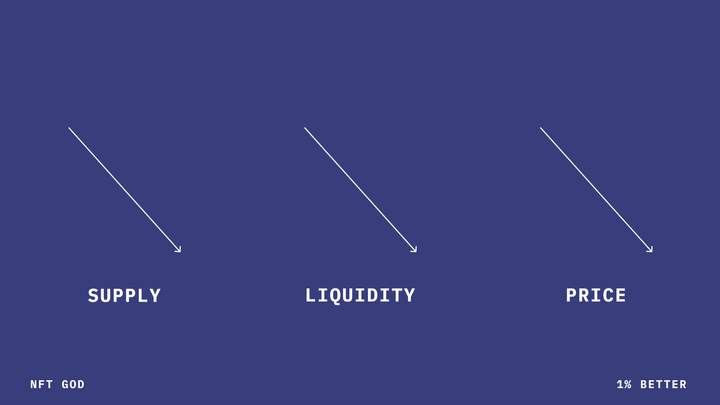
Moreover, cryptocurrency prices are highly subject to manipulations where the crypto market is suddenly pumped or dumped. Manipulators, commonly known as “Whales” are thought to manipulate the market with huge transactions.
2. If you buy an NFT you are an investor
In a traditional stock market, if you buy stocks of a company, you are an investor and hold a particular amount of shares in the company but that is not the case when it comes to buying NFTs.
Calling yourself an investor after buying an NFT will only lead you to disappointment because If you buy a non-fungible token, you are a customer and the project owes you nothing but the token you purchased and a link that leads to it.

Moreover, the value of an NFT depends on a number of factors – the popularity of the artist, the demand for the NFT, and the high volatility of cryptocurrencies. Buying NFTs is not a bad idea. If you see an NFT that seems appealing to you and may offer better returns in the future, you should buy it.
3. Locking your NFT up is staking
Locking your NFTs up is not staking. Staking involves holding and validating a certain number of cryptocurrencies while actively participating in a blockchain network to earn rewards in return. In contrast, Locking an NFT means keeping it in secure storage for a specific period of time without participating in the blockchain network.

While some storages may offer rewards for locking your NFTs there, staking is something entirely different, with a wholly different mechanism.
4. Free money exists
The phrase ”Free money” in the context of cryptocurrency refers to the idea that there are some opportunities in crypto where you can free money without any investment or risk. The reality is that such opportunities do not exist in cryptocurrency and such claims are generally false and deceptive.
Due to the highly unregulated nature of cryptocurrencies, many scammers may offer free money to loot inexperienced investors. While there are opportunities for a quick profit with calculated risks, there is no such thing as “free money”.
5. Paper hands are bad, Diamond hands are good
"Paper hand" and "diamond hand" are slang phrases often used on social media like Twitter and Reddit. “Paper hand” refers to people who are not risk takers at all and sell their assets too early to avoid risk and don’t want to lose money. “Diamond hand” means investors who hold their assets and have enough courage to not sell them despite a market crash or loss of value.
This is another lie that is often told in web3 space. You cannot make money unless you sell. Moreover, being a paper hand in a highly volatile market like cryptocurrency can be a great option to get quick profits and save yourself from sudden losses during an unexpected downtrend.
6. When the bull market comes back everything will moon
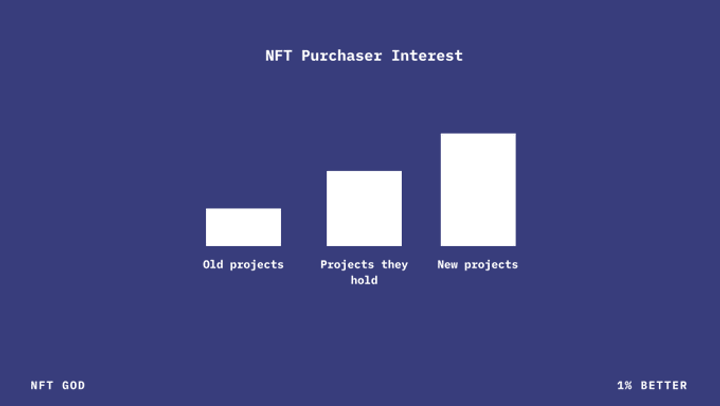
A bullish market means a market in which prices are constantly rising or expected to rise. People often hold their assets waiting for a bullish market, believing that once the bull market arrives, everything will be on the rise' however, that does not always happen.
Investors should keep in mind that 90% of these bullish trends may pump only new projects and other, older, projects may remain at the same old price.
7. Engagement farming builds you a high-quality audience
Engagement farming is a tactic in which users of entities use various tactics to gain more traffic to whatever they are trying to promote. Engagement farming attracts users who do not care about your project or you at all – they may not even know about your project. This tactic may provide short-term advantages but it loses the users' trust.
So if you really want to build an actual brand, create a company, or want to sell a project, vanity might be the best thing for you.
8. WAGMI
“WAGMI” stands for “We All Are Gonna Make IT”. It is a term often used as a hashtag on Twitter by the cryptocurrency community to express the success of the whole cryptocurrency market or a particular token. It also demonstrates that everyone who has invested in cryptocurrency is going to make a profit. That’s a lie.
Everyone is not capable of making a fortune when it comes to cryptocurrency. Due to the nature of the crypto market, the loss of one person is the gain of another person. For example, when an investor faces loss and sells his assets at a low price, someone else buys those assets at a lower price. The WAGMI concept, then, is just a deception in WEB3, and it can lead to taking unnecessary risks and making bad investment decisions.
Conclusion
Web3 is an evolving technology that has the potential to transform our lives in many ways. However, there are some misconceptions and myths people need to know about to make better investments and informed decisions.
Discover more from CoinageReport
Subscribe to get the latest posts sent to your email.
This article is for informational purposes only and is not financial advice.


