
Layer1 and Layer2: What’s the difference?
Layer1 and Layer2 offer scalability to the blockchain space. Scalability is in demand in the blockchain ecosystem because the numbers of transactions and users are constantly increasing.


Cryptocurrency and blockchain technology is expanding at an enormous speed, as are the numbers of users and payments. Scalability – a platform's capacity to expand while supporting consumer demands – has long been a problem. High throughput is sometimes a challenge for public blockchain networks that are extremely decentralized and safe.
We will explore how layer1 and layer2 solve the scalability issue in the blockchain sector. We will explore the limitations of both techniques along with the scalability importance of the technology. Let’s start!!
Layer1 vs Layer2 blockchain: what are they?
Layer 1 refers to the foundation of a blockchain's decentralized architecture, a blockchain platform's primary design. Layer 1 blockchain networks include Bitcoin and Ethereum. Layer 2 networks are those that are constructed above other blockchain systems. If Bitcoin is a Layer1, the Bitcoin Lightning Network, which operates on top of it, is a Layer2.
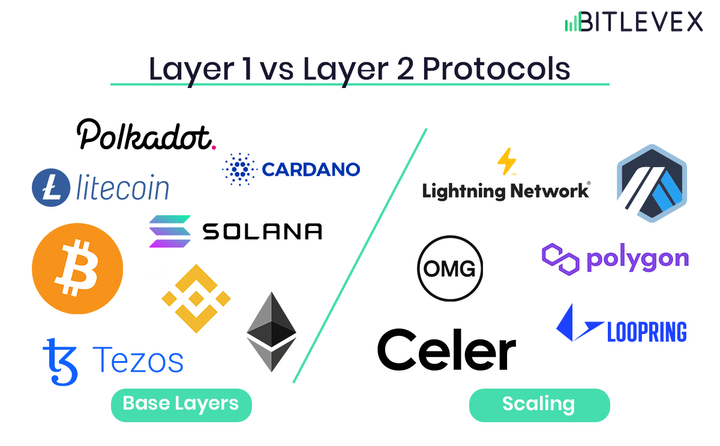
Source: Bitlevex
Layer1 and Layer2 are solutions for improving blockchain system scalability. A Layer 1 solution will explicitly modify the primary network's rules and operations. To complete a payment transfer away from the main blockchain, a Layer 2 solution utilizes a separate, simultaneous network.
What’s the Significance of Scalability?
The term "scalability" is defined differently by different experts. Blockchain scaling, at its base, relates to the network's capacity to provide a good experience to each and every user, regardless of the overall number of visitors at any particular time.
The volume of transactions handled by a network per second is referred to as its "throughput." While Visa's VisaNet electronic payment network can handle over 20,000 transactions per second, Bitcoin's base network can handle only 3 to 7 transactions per second.
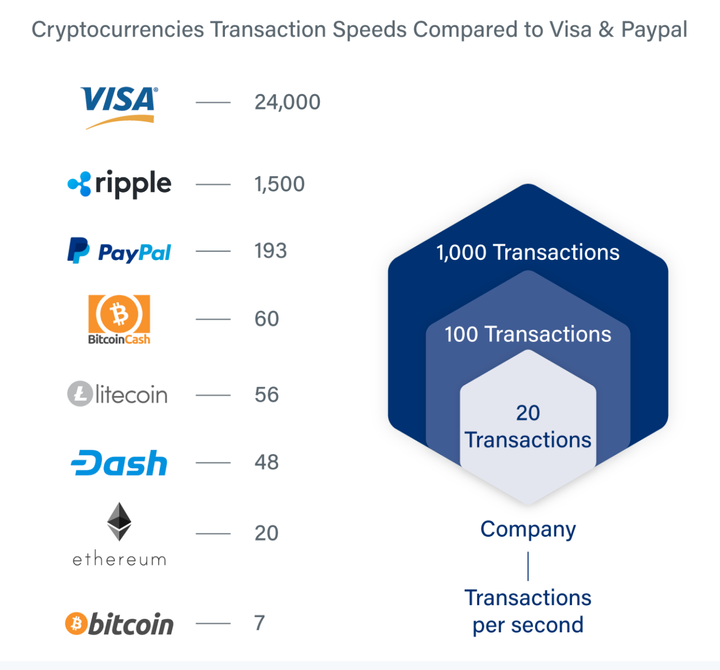
Source:Crypto.com
The gap in ability is surprising, but it has a simple explanation. Bitcoin operates on a decentralized system, whereas VisaNet operates on a centralized system. The Blockchain network requires more computational power and time to protect its consumers' privacy. Each transfer must undergo several processes, such as node network approval, mining, dissemination, and verification.
With bitcoin poised to emerge as a dominant force in the financial industry, blockchain experts are attempting to broaden the reach of blockchain management. They intend to reduce execution times and increase TPS by developing blockchain layers and optimizing Layer 2 scalability.
Bitcoin began as a simple network that anyone could use to exchange virtual currency. However, it has struggled with scalability since its beginnings, raising the question: What will occur if a larger number of users start using Bitcoin?
This situation could be viewed as a networking issue. Each system has a limited bandwidth capacity and can handle only a fixed number of transactions per second (TPS). Furthermore, in a decentralized system, every transaction must be reviewed, necessitating a large amount of storage space. The rise in popularity in 2021 has resulted in low throughput.
Layer 1 Working
Layer 1 blockchain networks have numerous methods for increasing throughput and total network capacity. In the case of Proof of Work (PoW) blockchains, switching to Proof of Stake (PoS) could improve transactions per second (TPS) while decreasing transaction fees. Still, the crypto community is divided on the rewards and long-term ramifications of Proof of Stake.
The development team of a project is often responsible for introducing scaling methods on Layer 1 systems. The audience will have to hard fork or soft fork the network based on the solution. Some minor updates, such as Bitcoin's SegWit update, are backward compatible.
Significant modifications, such as expanding the block size of Bitcoin to 8MB, necessitate a hard fork. This generates two variants of the blockchain, one with and the other without the upgrade. Sharding is another method for increasing network throughput. This divides a blockchain's processes into smaller pieces that can handle data concurrently rather than sequentially.
What are the limitations of Layer1?
Layer 1 networks with scaling issues include Bitcoin and Ethereum. Both use a consensus mechanism architecture to protect the network. This means that all payments are approved after being reviewed by numerous nodes. Mining nodes attempt to resolve a challenging mathematical challenge, and victorious miners are compensated with the network's native coin.
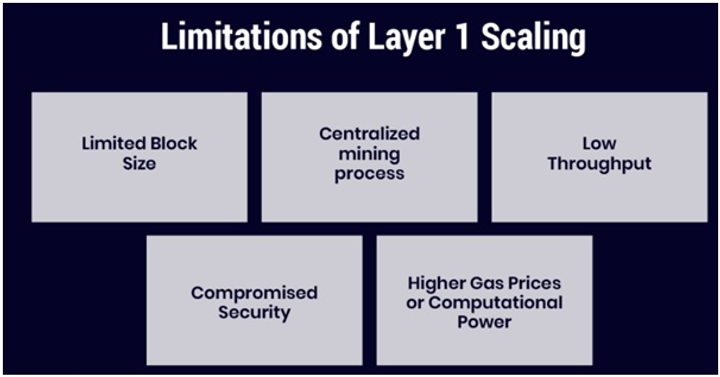
Limitations of Layer 1 Network
In other words, before such a payment can be validated, it must be independently verified by numerous nodes. This is a reliable technique for collecting and saving valid, confirmed content to the blockchain while reducing the possibility of an attack by malicious actors. However, once a network gets as popular as Ethereum or Bitcoin, throughput requirements can become an ever-increasing concern. Users will experience slower performance during times of network congestion.
How Layer 2 Solves these Issues
Layer1 and layer2 are just the two systems trying to scale blockchain technology. Following are some of the ways layer 2 solves these issues.
State Channels
A state channel is a multiple communication medium between parties involved in the deal. The participants encrypt a portion of the underlying blockchain and link it to an external payment channel. This is typically accomplished through the use of a pre-agreed-upon smart contract or a multi-signature. The participants then off-chain perform a transaction or a group of activities without instantly sending transaction data to the underpinning public ledger.
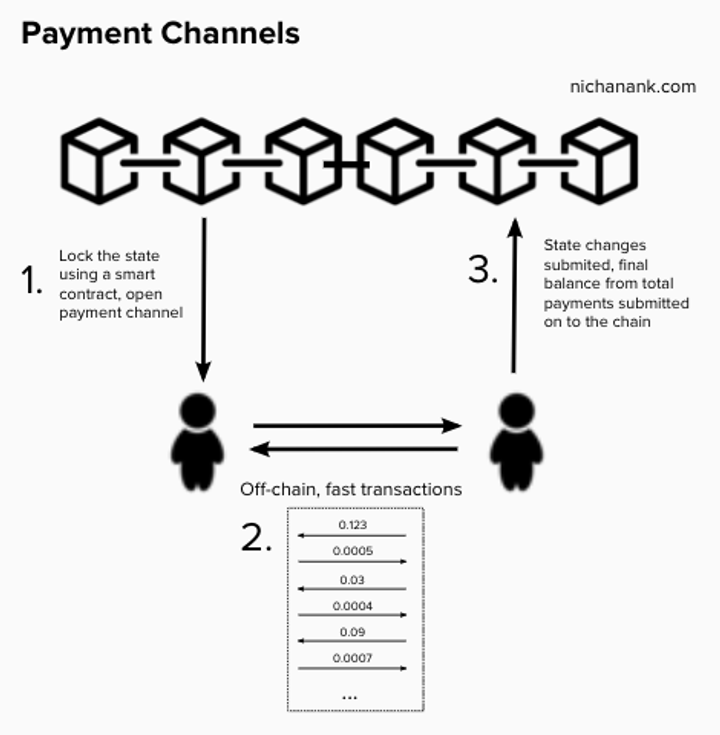
Working of State Channels
When all payments in the set have been completed, the network's final "state" is propagated to the ledger for verification. This method improves system throughput and expands the platform's total capacity. State channels are used by solutions such as the Bitcoin Lightning Network and Ethereum's Raiden.
SideChains
Sidechains are autonomous blockchain systems equipped with their own verifiers. This signifies that the primary chain's bridge smart contract does not validate the sidechain system. As a result, you must have faith in the sidechain's capability to manage assets on the primary chain.
Nested Blockchains
This system is based on a collection of additional chains that operate above the primary, "parent" network. Nested blockchains adhere to the guidelines and boundaries established by the parent chain. The main chain does not assist in data transfers and is only involved in resolving disputes when requested.
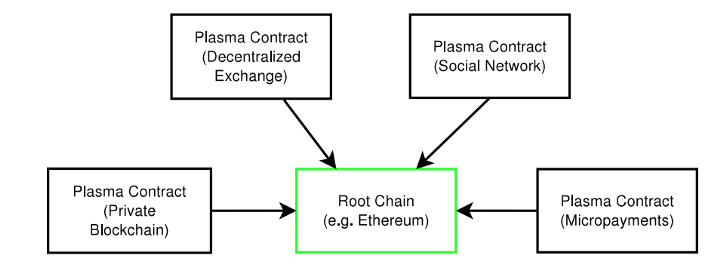
Nested Chain Working
Day-to-day operations are outsourced to "child" chains, which return executed payments to the main chain upon finishing. The Plasma project by OmiseGO is an example of a Layer 2 stacked blockchain technology.
Rollups
The most popular type, zero-knowledge (ZK) rollups, combine off-chain Layer 2 payments and present them as a single transaction on the primary chain. To ensure the security of payments, these methods incorporate validity proofs. A bridged smart contract holds assets on the main chain, and the smart contract certifies the rollup is working properly. This maintains the original network's security while benefiting from a less resource-intensive rollup.
What’s Next for Layer1 and Layer2?
Layer1 and Layer2 come with their pros and cons for the blockchain. One critical question includes whether Layer 2 technologies will even be required as Layer 1s get more versatile. Current blockchains are being improved, while new networks with high scalability are being established. However, the core tech will require a long time to enhance its scalability, and success is not promised. The most likely scenario is for Layer 1 networks to prioritize security while allowing Layer 2 networks to customize their services to specific use cases.
Discover more from CoinageReport
Subscribe to get the latest posts sent to your email.
This article is for informational purposes only and is not financial advice.


