
Minting NFTs: What does it mean to mint an NFT?
Minting NFTs is a process of changing a digital file into a unique item that can be traded online. There are various ways to mint an NFT.


NFT market size is growing apace and turning from a fleeting
fad to a potential investment class. Artists and creators are turning their
work into NFTs to get ownership and incentivize their work.
NFTs are digital assets that are unique and
non-interchangeable like currencies. If you’re still struggling with
understanding what are NFTs, you can click here to fully grasp
the idea.
StartFragment
What does it mean to mint an NFT?
An NFT can be anything like an image, GIF, audio file,
property deed, or video. The process that turns these digital files into an NFT
is called minting. The digital file, say an image, is added as a token on a smart
contract whose ownership can be verified through the blockchain. This makes
that image unique which is protected by the immutable blockchain. In this way,
not only the creators and artist can save their work from stealing online but
also they get incentivized as it can be sold as a commodity in the NFT
marketplaces.
Minting NFTs as a creator vs consumer:
Mint an NFT as a creator
Minting NFTs can be different for different people. As a
creator minting an NFT means publishing a token on a blockchain. It can be a
single image or an entire collection of thousands of words. Usually, the
creators first combine all the digital files they want to mint as NFTa and then
use different platforms to mint it. NFTs can be minted by directly writing a
smart contract or using an online platform for it.
Mint an NFT as a consumer
As a consumer, minting an NFT means buying an NFT for the first
time. NFT projects use such a platform where NFTs are minted as they are
bought. Minting an NFT has a cost that varies from project to project. Also,
there are other fees involved that consumers have to pay to mint an NFT.
Is Minting NFTs free?
Minting an NFT for a consumer can be different from buying
it. If an NFT is already minted and a consumer buys it, this is called a secondary
sale. An NFT can be minted only once. The creator set the ‘mint price’ which is
the same for the entire collection, however, there can be some people in the
white list or allow list minting for a lower price. But the price of NFTs in
the secondary sales is different as it’s entirely on the sellers for how much
they want to sell their NFTs.
How to mint an NFT?
To mint, an NFT means to turn the digital files into crypto
or digital assets stored on the blockchain. The major NFT projects use their
own websites to mint NFTs. For this purpose, the developers have to code the
Web 2 platforms to support the Web 3 assets, the NFTs. Also, a smart contract
(code for minting NFTs) is embedded in the website to support the process.
However, NFT marketplaces save the creators from all this
trouble. These platforms already support all types of small contracts and
minting NFTs on these platforms is as easy as posting a picture on social
media. Here are some simple steps you can follow to mint your NFTs.
Pick your Item
Only digital files with certain extensions (types) can be
minted to NFTs. If you have your favorite painting that you want to turn into
an NFT, take a good picture of it. Combine all the files into one place. Remember
whatever you are trying to mint should be your own property. You cannot simply
download an image and mint it as an NFT – mmm… you can but since it’s not your
property it will not be bought and the platform might likely remove your NFT
listing once it is reported by the NFT community. Therefore, it is in the best
interest of all parties to play fair.
Select platform:
Selecting a platform is your next task. There are many
minting websites and NFT marketplaces that allow you to mint. While selecting a
minting platform you should keep the following points in your mind:
- What blockchains does it support?
- What is the cost/fee to mint?
- Is the platform reliable?
- Can it handle huge traffic?
The more blockchains a platform supports the better. Support
more blockchains gives you an option to choose the best and it also guarantees
that various chain communities will be on this platform. This will give your
project more exposure in secondary sales.
Every platform charges a fee, make sure you see it before
finalizing one. If you mint your NFTs on an unpopular platform to save fees,
people will be hesitant to connect their wallets to it. It can also backfire and
hurt your community.
Also, if your project is really popular among NFT
communities and you are sure there will be thousands waiting for the mint to go
live, choose a platform that can handle that much traffic.
Choose Blockchain
The choice of blockchain can be made on many grounds. A
blockchain for an NFT project has a key role in deciding the direction of a
project. Ethereum blockchain is supported by almost all of the NFT marketplaces
and it has the largest community but it costs more fees. Likewise, Polygon is
chosen for its speed and low fees.
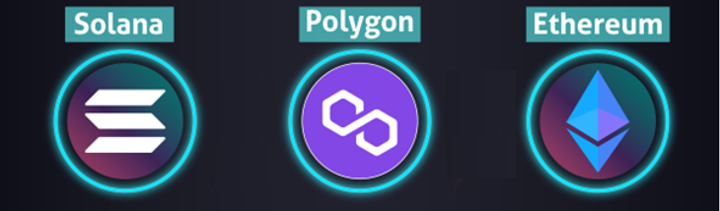
Choose blockchain to mint NFT
Set up your wallet:
Once you have chosen a platform and a chain you want to mint
on, the next step is to set up your wallet accordingly. Your wallet should have
enough funds to pay the mint fee and the gas fee required. For this article,
we’ll be using the Opensea NFT marketplace, Polygon chain, and MetaMask wallet to
mint an NFT.
Go to Opensea and from the top right corner click on the
Wallet icon to connect your wallet.

Connect your wallet to the marketplace
Upload your Files/Digital Assets:
Now that you have connected your wallet, click on “Create”
button on the left of the wallet icon.
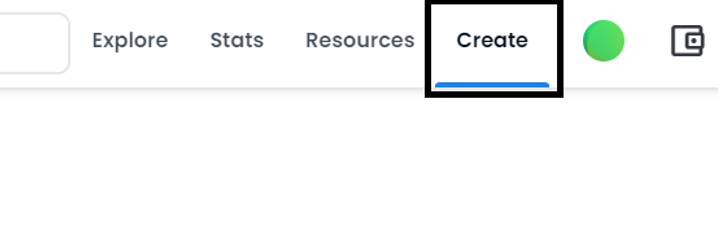
This page includes everything you’ll require to mint an NFT. This is where you submit your NFT assets. You can upload digital art, videos, or other format file of fewer than 100 MBs.
If the file is bigger or your art is displayed somewhere else in a better
quality, you can include an external link to it.
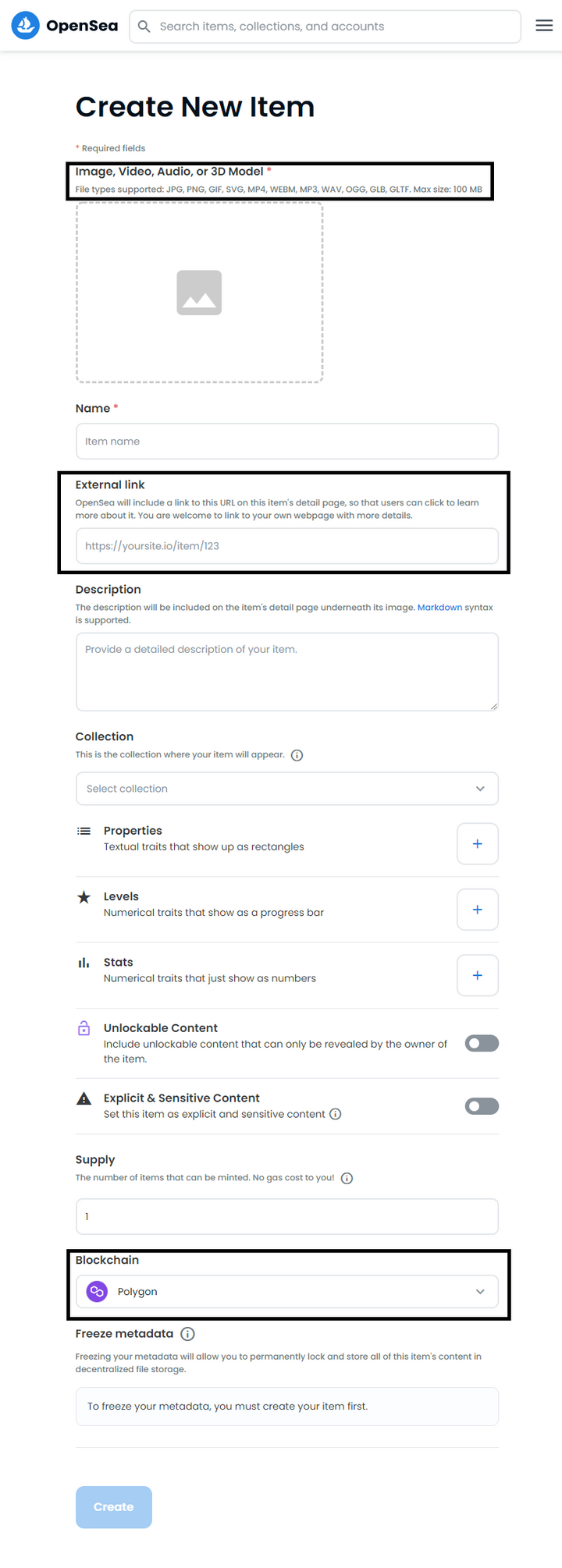
Mint an NFT
Write Metadata
This is where you put all the information regarding your
NFT. Give your NFT a name, write a short description, and provide other
necessary details. If these NFTs are a part of the collection, you can name the
collection and define other metadata that makes it unique and valuable. In the
blockchain drop-down menu, choose the blockchain you want to mint your NFTs on.
After you have filled everything in, click on Submit. It might ask you to respond
to a captcha and sign a transaction on your wallet.
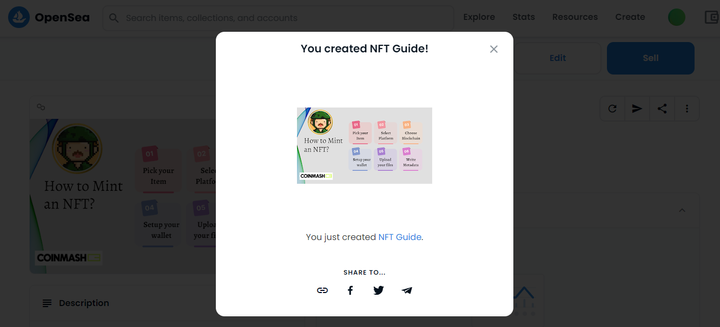
Minting NFTs: Source
And that’s it, you have just minted your first NFT. You can drop this NFT to attract buyers and earn profit from it.
Mint Fee and Gas Fee:
When it comes to minting there are two types of fees you are
most likely to pay. The first is the mint price or mint fee. This is the price
you will be paying to mint your NFTs as a consumer. The Mint fee is set by the
creators and it varies from project to project. Some NFTs charge thousands of
dollars as mint price and some even offer free mint. As a creator, you might
also have to pay a mint fee to the platform but it can be avoided through ‘lazy
minting’.
The second type of fee is called the gas fee. The gas fee
requires a separate article to discuss it in detail but you can consider it as
a transaction fee. When the minting process starts, it performs transactions on
the blockchain network which are verified by the miners. These miners use huge
computational powers to validate your transactions. This fee is given to these
miners as a reward for their service to keep the network running. If the
network is too busy, you might have to pay more gas fees than normal. You can
check the Ethereum gas fees here.

NFT Marketplaces to Mint NFTs:
Opensea:
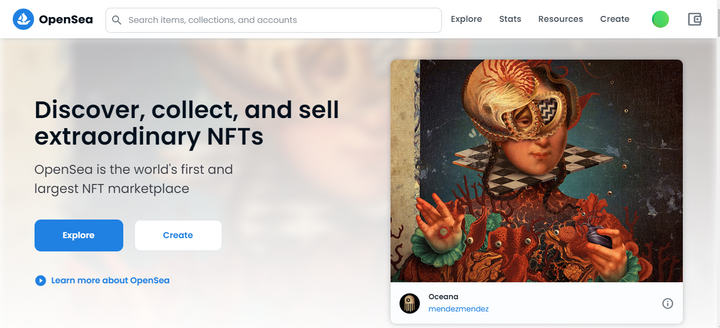
Opensea is the largest NFT marketplace that has the largest NFT community around it. In June alone, the trade volume of Opensea was ~$600 billion. Since there is a lot of competition on this platform, it is hard for smaller artists to get ample exposure.
Rarible
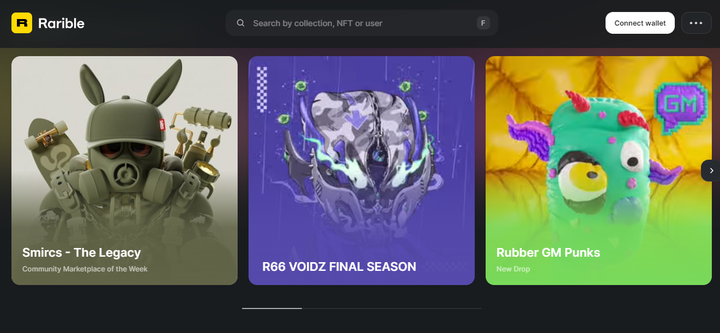
Rarible is a
decentralized NFT marketplace that puts the control of your NFTs in your hands.
The platform supports a wide range of blockchains to mint NFTs. Rarible was
founded in 2020 and it is getting exposure in the NFT space.
Foundation:
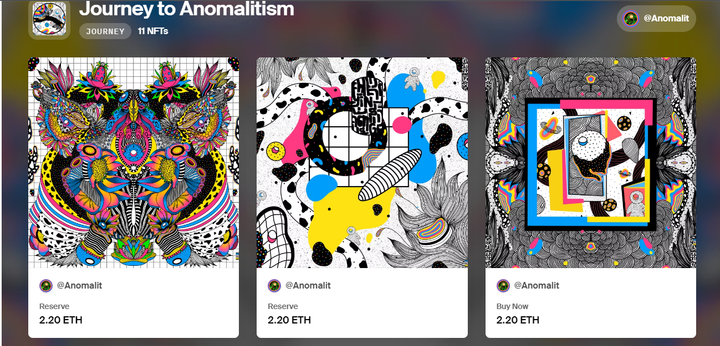
Like Rarible, Foundation NFT marketplace was founded in
2020. Foundation is relatively less known as compared to the previous two
marketplaces. Foundation is mainly chosen by the NFT projects that bring their
own community and want to conquer this digital space. Surprisingly, Foundation
has had an average sales volume of $640 in the last 30 days which is a lot more
than that of Opensea’s which is just $120.
Conclusion:
We are the early adopters of blockchain-based assets and
living in the blockchain infancy. As the developers seek more ways to define
the utilities of NFTs, these assets would have a wild growth. NFTs are being
used in blockchain games, Web 3, and Metaverse – which means almost all of the
blockchain domains require these assets as their building blocks.
However, if you’re getting into NFTs, it should not be a hype
or FOMO-driven approach. It’s a good idea to first thoroughly understand what
you are getting into.
Discover more from CoinageReport
Subscribe to get the latest posts sent to your email.
This article is for informational purposes only and is not financial advice.


