
Optimism Bridge: How it Improves Blockchain’s Scalability
Blockchain scalability is one of several issues which came to the surface after the sector saw traction from users. The optimism bridge is another tool for improving the scalability of the blockchain system.


The unique peer-to-peer concept is what most blockchain technology advancements rely on to achieve decentralization. Blockchain design allows trustless connectivity without any centralized ruling authority thanks to decentralized governance and maintenance. To execute each transaction, a blockchain's operations require precise synchronization across all of the network's nodes.
One of the main issues with blockchain systems is scalability, which hinders the acceptance of the technology in general. Solutions like Optimism Bridges have identified the optimal strategy for addressing the scalability issue. To fully grasp optimism's potential for scaling, it is crucial to consider its meaning and how it operates. The discussion provides an overview of optimism while also assisting you in using bridges.
How to Solve Scalability Issues?
You must be aware of the various scaling techniques to have a clearer understanding of optimism's function and the category to which it belongs. To solve the scalability issue, blockchain systems like Tron, Avalanche, Algorand, and Solana rely on the primary chain's infrastructure.
The primary chain or the network infrastructure is referred to as "Layer 1" in blockchain sectors. For instance, Layer 1 blockchain networks like Bitcoin and Ethereum don't have any extra features to support payments. Most users mistake Layer 1 solutions for various blockchain networks. Rather, it's crucial to confirm that each Layer 1 blockchain adheres to the primary chain's architecture.
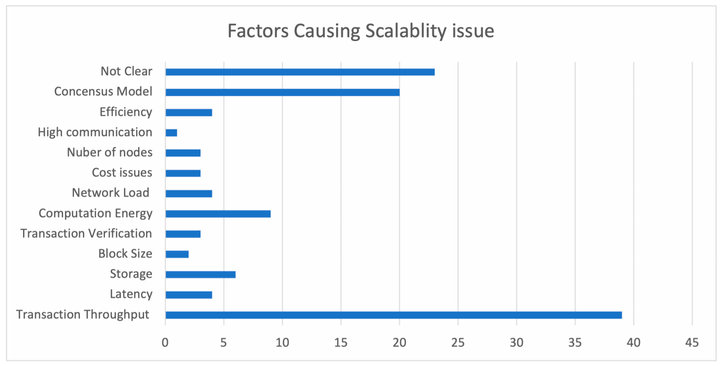
Factors behind Scalability Issues
You must demonstrate how layer 1 chains achieve scalability using particular architectural approaches. It is possible to see how the Optimism chain offers a unique layer 2 scaling solution by using examples of blockchains like Avalanche. C-Chain, P-Chain, and X-Chain are three distinct chains that are used in Avalanche's tri-part network design.
All three chains contribute to ensuring the network's built-in scalability and are a part of the Layer 1 chain, the main Avalanche chain. Avalanche can be categorized as a Layer 1 chain because it doesn't rely on Layer 2 networks. What are the Layer 2 scalability solutions?
Layer-2 Scalability
Instances of blockchain systems using two techniques for scaling are Cardano and Ethereum. The two-tiered strategy for scaling is highlighted by the interaction between Ethereum Optimism and the bridge. Blockchain networks can choose Layer 2 solutions or network upgrades. Layer 2 networks can be thought of as an addition over the Layer 1 chain that relieves congestion.
Since access to higher scalability opportunities is so simple, Layer 2 solutions will be widely used by blockchain networks. Because of its market domination in smart contracts, Ethereum is the most prominent option in need of scalability. In actuality, it holds close to 59% of the DeFi market and offers numerous Layer 2 scaling solutions.
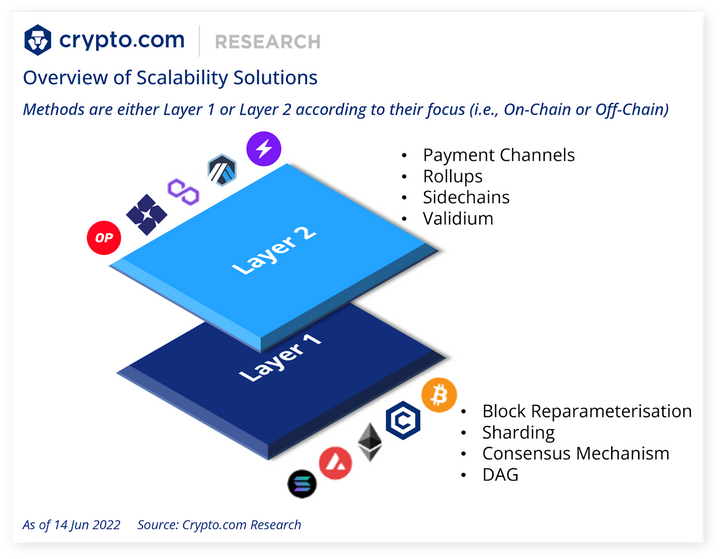
Scalability Solutions
The value of Layer 2 scalability solutions might explain most questions regarding the significance of optimism bridges. In terms of TVL, Layer 2 solutions are worth $6 billion as of August 2022 in the Ethereum dApps ecosystem. Layer 2 scalability solutions have higher TVLs in comparison to the lower TVLs in the cutthroat Ethereum dApps environment. Therefore, with Layer 2 networks like Optimism, blockchains would seek the first-mover advantage.
What is Optimism Bridge?
The Optimism chain offers a more straightforward viewpoint on scalability. One of the first L2 scalability solutions was optimism, which used optimistic rollups to cut the gas cost for Ethereum transactions. For rollups to function, enormous amounts of transaction data must first be gathered in bundles or batches and processed outside of the Ethereum main chain. The rollups efficiently transfer the processed transaction data back to the Ethereum main chain after processing it.
While optimistic rollups are a scaling technology that new startups rely on, optimism has created its own market for decentralized applications. The Total Value Locked (TVL) of the Optimistic decentralized applications sector is close to $2.17 billion. The Optimism bridge agreement was the first L2 alternative for Ethereum and a forerunner of the scaling of Ethereum.
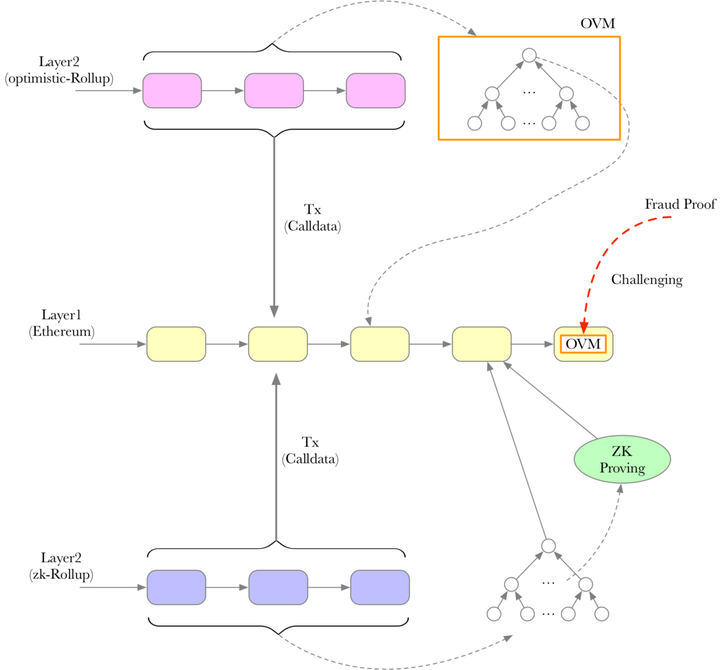
Optimistic Rollup
Before being included as a data block on the Ethereum primary chain, the data that has been sent back is validated. Optimism and other Layer 2 solutions do not affect the fundamental characteristics of blockchain thanks to verification's assurance.
Fraud Proofing Mechanism
Using smart contracts, optimistic uses a "fraud-proof" method to connect L1 and L2 systems. As an aid in assuring transaction authenticity, fraud proofing is a crucial feature of optimistic rollups' underlying process. Users can contest transactions throughout the validation period, according to the facility for fraud proofing. Optimistic rollups work under the premise that every transaction is legitimate unless there is evidence to the contrary.
You can see how optimism gives a "positive" image of scalability at this point. An Ethereum Optimism bridge's operations include a mechanism for contesting fraud-proof transactions. You must pay gas expenses for additional computations that are part of the fraud-proofing process.
On the other hand, you can receive a refund after proper transaction verification. Additionally, the operation of Optimism demonstrates that the gas costs are only a tenth of those of Ethereum. Most importantly, consumers have saved more than $1 billion in ETH gas costs thanks to Optimism.
Basic Components of Optimism
The crucial Optimism design tenets also illuminate the utility benefits of the Layer 2 network. You may also pinpoint the factors that the Optimism chain has used to facilitate scaling benefits. Here is a list of the key design components that you may spot in Optimism.
Simplicity
The ease of use of Optimism is its main advantage. Optimism has been specifically designed to guarantee simplicity with the numerous moving elements to offer a Layer 2 solution. Focusing on simplicity can cut down on engineering expenses.
Therefore, rather than creating new iterations of the existing features, developers may focus on creating new ones. One of the key points in an optimistic bridge is security achieved by simplicity. The Optimism protocol's simplicity makes it possible to write small amounts of code while still ensuring fewer security flaws.
Sustainability
The idea of long-term sustainability is the second important design component in the design of Optimism. Application developers need to be certain that the platform they are using now will continue to be usable in the future. Since there are no shortcuts for obtaining improved scalability, the fundamental design method of Optimism has been customized for ensuring long-term sustainability.
Through the feature of simplicity, Optimism Bridges can solve the issue of sustainability in its design procedure. Optimism enables more contributors to engage in the project because it lacks a complicated codebase. The project's basic codebase contributes to the growth of a wider community committed to its long-term upkeep.
Optimism
Nothing else is more important or more distinctive than optimism in the Optimism design philosophy. Optimism for the future of Ethereum has played a major role in the development of the Ethereum Optimism contract project. It was created as a dependable addition to Ethereum. The upbeat outlook acts as a guideline for the creation of new features or the streamlining of current ones.
Final Words
The Optimism introduction makes it quite obvious that it is the initial forerunner of Layer 2 Ethereum scalability. The optimistic roll-up mechanism is used by optimism to enable quicker and less expensive processing of transactions outside of Ethereum's main chain. Optimism Bridges, which were created with a positive outlook for Ethereum's future, can define new prospects for a wider range of DeFi apps.
The goal of Optimism is to help the community grow and achieve constant progress as its scope continues to broaden. According to user input, Optimism has grown into a sizable dApps ecosystem. Find out more about optimism and its future right now.
Discover more from CoinageReport
Subscribe to get the latest posts sent to your email.
This article is for informational purposes only and is not financial advice.


