
How can we use Blockchain technology for traditional banking?
Blockchain technology is the new buzz word as the technology is being used almost in every field now but have you ever thought of using blockchain for traditional banking?


The financial sector is looking at blockchain technology with a serious eye, as it has the potential to significantly upend the traditional banking sector.
Blockchain technology is a type of public database
that stores digital data. Most of the time, it is made up of cryptocurrencies
and adds an extra layer of security to various financial operations. Banks can
keep transaction data using blockchain, including the date, time, and price of
a recent purchase.
Given how blockchain is altering the dynamics of many sectors, it's not surprising that it has become commonplace in recent years. Blockchain technology is predicted to completely change how we conduct business, not just in the banking sector but also in fields like healthcare, government, and retail.
Traditional banking
Technology is currently one of
the major challenges facing the banking industry. Traditional banks are starting to
take note, and some of them are now participating as well, using products
from major technology companies like Google Inc. (GOOG),
Apple Inc. (AAPL),
eBay Inc. (EBAY), or Amazon.com Inc. (AMZN),
or from new financial technology (FinTech) start-ups.
Traditional banking institutions have started to move in the direction of business models driven by
digitalization, such as mobile banking. However, the initiatives have
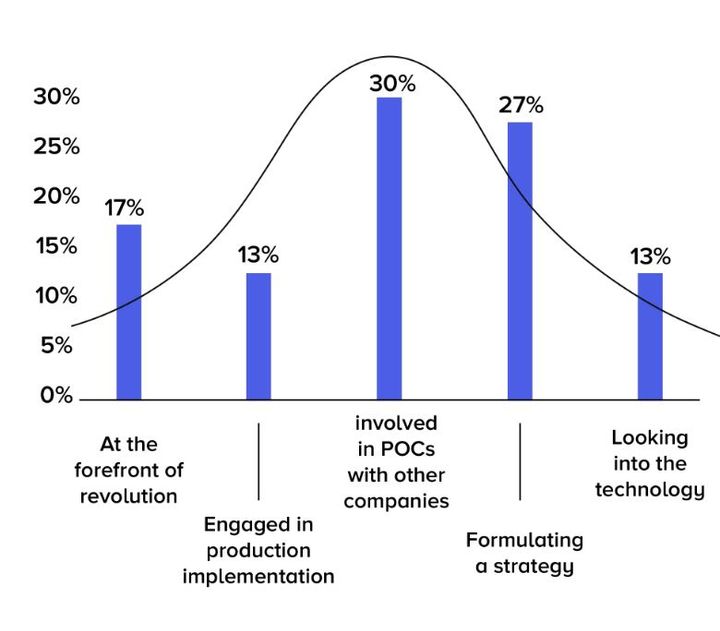
mostly been sidelined when it comes to using blockchain in banking. In contrast to the attention that blockchain technology
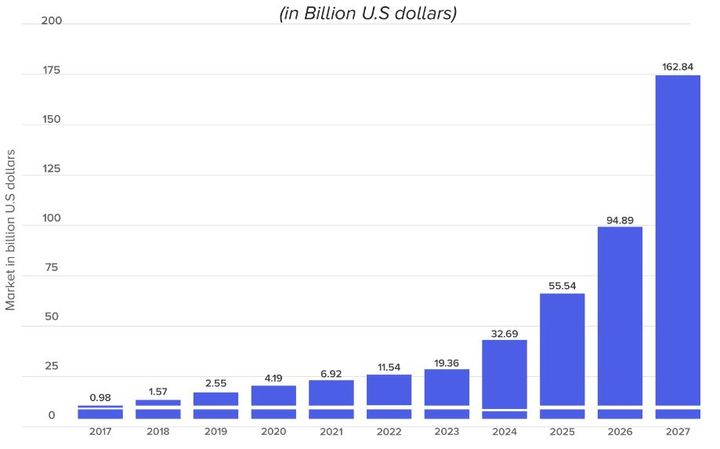
is receiving in other industries, banks are hesitant. The fact that the technology is expected to rise
from $4.9 billion in 2021 to over $67.4
billion by 2026 is
a sign of this.
Blockchain technology can completely change the way
the banking sector operates and make it more transparent, effective, secure,
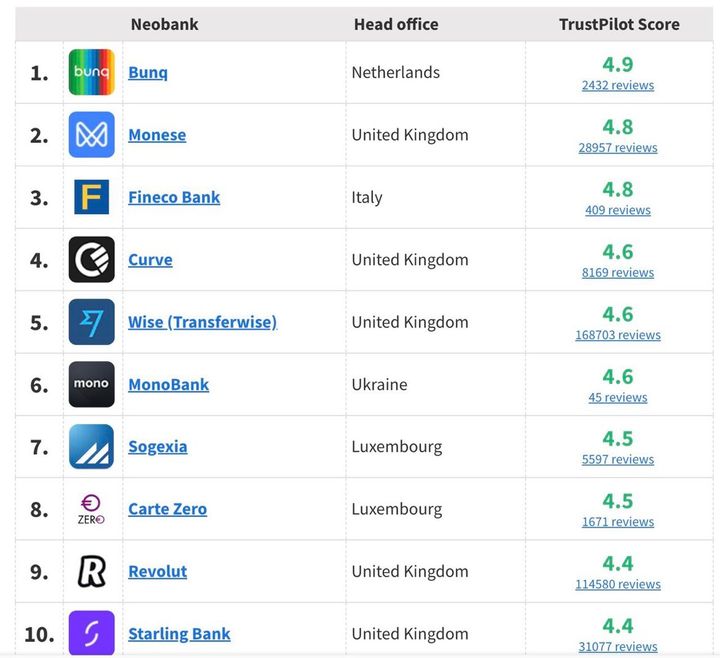
and affordable. A mixed version of traditional banking and DeFi models is "neo banking." Neo Banks are virtually existing banks that provide all banking services using blockchains but they don't physically exist. These are the top Europe Neo Banks:
In what ways is blockchain transforming the banking sector?
In recent years, the industry has undergone
significant upheaval as a result of blockchain. Blockchain eliminates the need
for an intermediary in transactions by allowing untrusted parties to concur on
the state of a database. This technology will offer financial services like payments, without the assistance of a third party, such as a bank. Blockchain thus promotes decentralization, which may make it simpler for banks to concentrate on tasks other than monitoring payment transactions.
Blockchain technology has significantly altered the banking sector in many different ways. Things like payments, settlement systems, fundraising, securities administration, loans, credit, and trade finance have all been impacted.
Stocks, bonds, and other assets are stored on
public blockchains as securities. As a result, capital markets become more
productive.
By eliminating the need for gatekeepers in the
lending and credit industries as well, blockchain has transformed the banking
sector. It has decreased interest rates and increased the security of borrowing
money. It has raised trading parties' transparency, security, and confidence on
a global scale. Turkey is pioneering blockchain adoption in banks. A recent statement from LBank states,
The CBRT will continue to run tests for authentic architectural setups designed in areas such as the use of distributed ledger technologies in payment systems and the integration of these technologies with instant payment systems.
TOP 8 BLOCKCHAIN BENEFITS
Blockchain has many advantages for banks. Blockchain for banking has aided financial institutions in
figuring out how to carry out transactions more securely while minimizing
errors. As a result, banks should think about utilizing blockchain more
frequently to better serve their clients.
- Reduced Costs
Cost savings are one of the advantages of
blockchain for banks. Recently, banks discovered that by 2022, using
blockchain, they may save up to $20 billion on infrastructure costs. Banks can
minimize their interactions with counterparties and intermediaries by
integrating features like smart contacts into a platform. They can also reduce
the expense of managing and carrying out contracts. Banks can also lower the
expenses associated with transactions between one bank and another.
- More rapid transactions
Offering speedier transactions is another
benefit of blockchain in banking. In comparison to other conventional
techniques, every transaction can be completed in a couple of seconds. As a
result of banks' ability to cut out middlemen, customers can now complete
transactions more quickly.
- Enhanced Security
Banks may benefit from using shared ledgers to
strengthen transaction data security. Initially, they will be able to swiftly
finish a transaction and lower the possibility of someone stealing transaction
data or diverting payments. For every transaction, there are two security keys.
Every user has access to a public key, whereas the parties to a specific
transaction have a private key. Once a transaction's data has been confirmed,
it cannot be changed.
- Increased data quality
Any sort of data can be stored on a modern
blockchain, which also enables access to it by established guidelines. Smart
contract technology automatically validates and upholds contracts. Banking data
is transferred into shared ledgers where it gains access to blockchain's
advantages.
- Digital currencies
Blockchain can help banks by utilizing virtual
currencies. They can now accept digital currency to carry out several different
transactions. Banks will be able to clear and complete financial trades more
quickly and securely with the help of cryptocurrencies. In the future, banks
will likewise try to make digital currency the norm.
- Accountability
Accountability will enable banks to gain from
blockchain by lowering fraud and misappropriation of corporate assets. Banks
won't have to worry about substantial mistakes being made with digitally
created transactions. They won't have to be concerned about crucial information
being falsified, either.
- Compliance
Better compliance from blockchain will also
benefit banks. They might grant access to the blockchain to auditors and
government officials. With this access, the government and auditors may observe
how business is conducted in complete transparency. Additionally, banks can
stop suspicious transaction activity and speed up auditing.
- Fewer reconciliation and error-handling processes
Banks have profited from blockchain by being
able to more readily reconcile transactions. They can swiftly track down
transactions and spot mistakes almost immediately. They can also identify mistakes
before a transaction is finished.
Conclusion
The use of blockchain technology has various
advantages. These advantages have made it possible for banks and other
financial institutions to give consumers both greater service and increased
security. Numerous financial institutions have been in a position to enhance
their operations and increase their level of competition in the banking sector
thanks to blockchain technology and banking software solutions.
Discover more from CoinageReport
Subscribe to get the latest posts sent to your email.
This article is for informational purposes only and is not financial advice.


