
Tokenized Assets: What are they and how they work?
Tokenized assets are blockchain-based tokens that represent real-world assets and their ownership rights in a digital format.


There is no doubt that blockchain has been one of the revolutionary technologies of the 21st century and it has already disrupted the traditional economic system.
Blockchain was originally created for Bitcoin, the first cryptocurrency, and now it is the underlying technology of all digital assets such as cryptocurrencies, utility tokens, security tokens, non-fungible tokens (NFTs), and stablecoins well as lots of decentralized applications, smart contracts, decentralized finance, and even tokenization of assets.
What is asset tokenization?
Digital Asset tokenization is a process of converting real-world tangible and intangible assets into digital tokens that are represented on a blockchain or distributed ledger technology platform. The conversion of real-world assets into numerous assets tokens makes them more valuable and accessible to smaller investors.
The asset tokenization market is rapidly expanding, with a 50x increase predicted between 2022 and 2030, from $310 billion to $16.1 trillion, accounting for 10% of global GDP by the end of the decade.
Blockchain Networks ensure that once you buy a token representing an asset, nobody can alter or tamper with the asset ownership records, providing an immutable and transparent record of your ownership rights.
Let's explore the concept of asset tokenization with a practical example.
Imagine the tokenization of assets as a modern twist on the age-old concept of owning shares in a company.
In the traditional financial market, when you invest your funds in a company, you receive a piece of paper representing your ownership. This piece of paper entitles you to a percentage of company profits and voting rights.
Now, let's apply the concept of tokenization to this scenario.
Instead of giving a piece of paper, the company decides to tokenize its shares through blockchain technology. Each share of the company is converted to a unique digital token which is securely recorded on the blockchain. Each investor is given a digital token that represents his share ownership of the company. These tokens are highly flexible and can be traded on various cryptocurrency exchanges.
Additionally, tokenization allows investors to have fractional ownership which means that investors can own a fraction of these digital tokens, making it accessible to smaller investors who cannot afford to buy a whole share in the traditional stock market.
Why tokenize physical assets?
Blockchain technology offers a new set of tools and strategies for brands to interact with their customers including asset tokenization. Many brands and sports teams have already launched their NFTs for their loyal fans, and lots of other brands are also developing strategies to integrate innovative technology into their mass marketing ecosystem.
Last year, Nike a popular footwear brand, introduced its new platform Swoosh where users will be able to buy its virtual products.
Dolce and Gabbana, a fashion brand launched its own NFT collection consisting of 9 NFTs including “ The Impossible Tiara”, which was sold for $5.65 million on the polygon network marketplace after two days of bidding.
Tiffany and Co., a luxury brand entered the web3 arena with the help of Chain and launched their own NFT collection.
Types of tokenized assets
Tokenized assets can be divided into two types: fungible assets tokenization and non-fungible assets tokenization.
A. Fungible assets tokenization
Fungible assets tokenization, which involves representing interchangeable assets with identical tokens has these key characteristics.
I. Interchangeability
Fungible tokens are mutually interchangeable which means that each token holds the same value as the other one and can be exchanged with any other token of the equivalent kind.
Suppose you have a $1 bill and you exchange it with another person’s $1 bill, the value of money owned by you will remain the same which very much describes their fungible nature.
II. Indistinguishability
Fungible tokens are indistinguishable from each other in terms of the underlying assets they represent. There are no special characteristics or qualities that differentiate them.
III. Divisibility
Fungible assets can be divided into smaller units without affecting their value or functionality which allows users to have fractional asset ownership.
B. Non-fungible asset tokenization
Non-fungible tokens are one-of-a-kind authentic digital assets with non-interchangeable properties like unique codes and metadata that separate one token from another. Here are some key characteristics of such tokens.
I. Uniqueness
Each non-fungible token is unique and possesses some special attributes that differentiate it from other tokens.
II. Non-interchangeability
Non-fungible tokens are non-interchangeable which means that you cannot interchange one token with another.
III. Indivisibility
You cannot break an NFT into further denominations or you cannot buy or sell a portion of it.
IV. Immutability
The ownership of these tokens is securely stored on a blockchain that ensures immutability and resistance to tampering or fraud.
Which assets can be tokenized?
From physical assets such as paintings, real estate properties, and company shares to intellectual property, patents, and digital content, virtually any valuable asset can be tokenized.
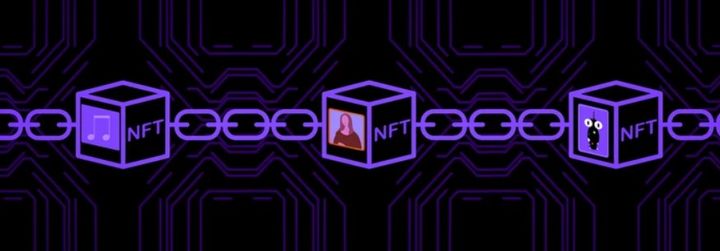
A wide range of assets can be tokenized, including but not limited to:
Financial assets and instruments
Financial assets such as stocks, bonds, bonds, and other derivatives can be converted into digital tokens.
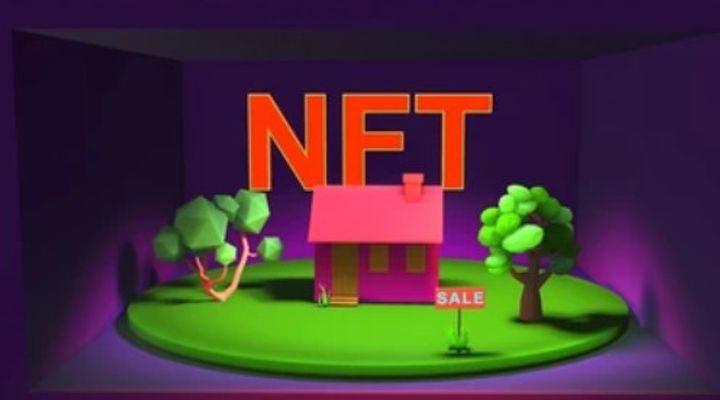
Real Estate Property
Historically illiquid assets such as real estate properties can also be converted to tokenized assets. This enables investors to have fractional ownership and provides them with easy investment opportunities in the real estate market.
Art asset
The tokenization of art has made it possible for artists to sell their artwork online in digital form to a wider audience and to interact directly with art collectors and enthusiasts.
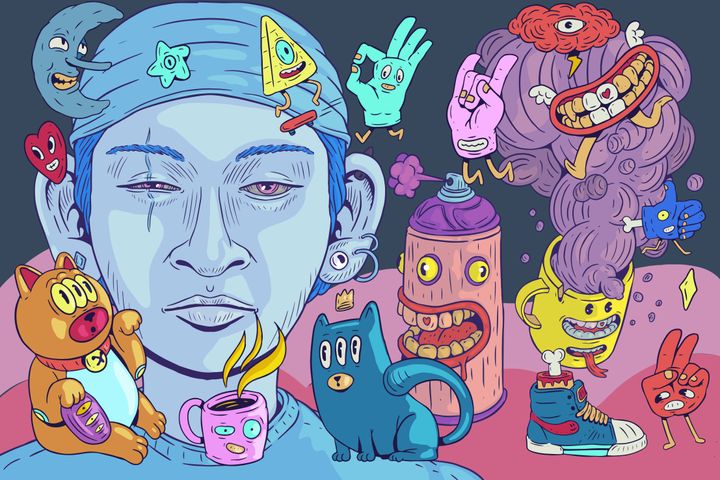
Through blockchain technology, artists can generate NFTs representing their artwork and sell them directly to the seller without any involvement of a third party.
Blockchain technology empowers them to have full control over the whole selling process through secondary markets and increases their chances of greater revenue generation.
Gaming assets
The integration between blockchain and video gave rise to a new form of games known as play-to-earn (p2e) games. These games compensate players with different rewards including NFTs.
These NFTs represent various game assets, such as in-game items, characters, and other virtual objects, that can be used and traded within a particular video game or gaming ecosystem.

Some of these NFTs are even interoperable, which means the NFTs earned in one game can be transferred or spent in another game through cross-chain interoperability. Asset owners can also trade them on a secondary market.
Asset tokenization process
Tokenizing assets involves a lot of steps such as identifying assets to be tokenized, selecting asset tokenization platform, developing smart contracts to issue tokens, assigning ownership right, and so on.
Tokenizing an asset involves a series of steps that enable the conversion of real-world assets into digital tokens. These steps are given here.
I. Identify the asset
First of all, you need to identify the asset you want to tokenize. This could be anything like traditional assets including real estate property, fine art, precious metals, and exotic assets such as rare collectibles, vintage cars, or even intellectual property rights.
II. Choose the token
Choose the token that best suits your overall business model. There are many types of digital tokens such as governance tokens, security tokens, and utility tokens with their own distinctive characteristics and functionalities.
III. Select the tokenization platform
Once you have selected the asset to be tokenized, you have to select the tokenization platform to create tokenized assets. This platform could be a blockchain network or a distributed ledger platform.
Additionally, there are many specialized asset tokenization platforms such as tZERO, and ADDX that provide the necessary tools and infrastructure to convert your desired asset into a digital token.
IV. Define Token Parameters
In the next step, define the token parameters such as total supply or divisibility.
V. Develop Smart Contracts
Smart contracts are simply programs that are automatically executed when certain conditions are met. You will need to develop a smart contract that specifies your project. This smart contract will define the token issuance, transferability, ownership right, and other functionalities related to your project.
VI. Token Generation
With smart contracts in place, you can generate the token that represents the asset. This involves minting or creating the tokens according to the already defined rules in the smart contracts.
VII. Release the tokens on third-party trading platforms
In the final step, release your tokens on the third-party trading platform for improved liquidity and broader adoption of your token. These platforms allow token holders to buy, sell and trade their tokens with other traders in the market.
Benefits of asset tokenization
Tokenization of assets is beneficial for both investors and asset owners. Here are some key benefits of asset tokenization:
Tokenization of assets enhances increased liquidity by enabling fractional ownership and easier buying and selling of assets through secondary markets.
Tokenization makes assets accessible to a wider audience. Smaller investors who cannot afford to buy a whole asset can alternatively buy its fractions.
By digitizing assets, tokenization improves market efficiency by removing intermediaries and decreasing settlement time.
All the transactions are recorded on distributed ledgers which makes the ownership record immutable and resistant to any fraud or scam.
Tokenization removes the extra cost involved in traditional assets such as paperwork, intermediary fees, and administrative expenses.
Assets in tokenized form are accessible from any part of the world. An investor sitting in India can easily invest in a tokenized asset representing real estate in the United States. They can also check the real-time asset's price to make informed investment decisions, regardless of their geographical location.
Tokenization of assets reduces management costs. You have to pay heavy fees to financial institutions while transferring ownership rights of traditional assets. However, when you have these assets in tokenized form, the ownership is automatically transferred in a matter of a few seconds.
Conclusion
Tokenization is going to transform asset management and revolutionize the way assets are bought sold and traded. As the asset tokenization market continues to grow, we can expect more brands and industries to embrace this technology in the near future.
Discover more from CoinageReport
Subscribe to get the latest posts sent to your email.
This article is for informational purposes only and is not financial advice.


