
What is Coinbase Staking? | Updated
Staking Crypto Coins has additional perks and Coinbase Staking can earn you additional rewards on holding crypto as a passive income.


In Simple words, Staking is earning rewards for holding
crypto in your wallet. The crypto you hold makes you a part of the transaction
validation system, like in mining, and you earn a reward for those transactions.
The person holding the minimum required crypto becomes a part of validating
transactions and staking rewards are distributed on every successful
transaction. The actual work is a bit trickier.
How does Staking Work?
Cryptocurrencies work on cryptography which uses the SHA-256
algorithm which makes transactions written on a digital ledger secure and
impossible to alter or modify. That ledger is called the blockchain. The SHAW-256 algorithm is so complex, it takes
a lot of calculations to perform the blockchain transaction but that is what
miners do through mining on powerful computers.
Miners use computers capable of solving the puzzle to
validate transactions. For each block of a transaction, they mine a new coin
which is their reward for the job. This type of mining is called Proof of Work.
Their computers do the work and they get the reward.
Proof of Work vs Proof of Stake:
In Proof of Work (PoW), as stated earlier, miners need expensive and powerful equipment that consumes a lot of electricity to run the process. There are millions of miners around the globe and in a race to win the reward all have to compete with their computing powers.
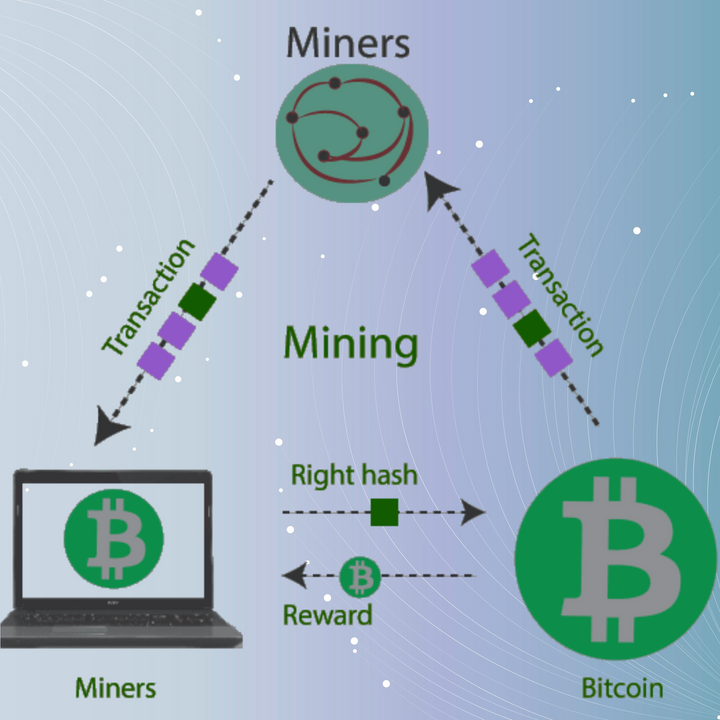
Only one out of all these miners is chosen for the mining
reward and the rest of the miners use electricity for absolutely nothing. Even
large mining companies are now part of this race. Not only, does this
outperform individual miners, but if combined these companies can make a false
transaction if they manage to gain just 51% of the total mining power.
Proof of Stake (PoS) on the other hand allows anyone to become a validator. From the selected validators, one is chosen to validate a block and the rest of the validators just double-check it. If the transaction is valid, the selected validator is rewarded and if the transaction is not valid, another validator is assigned the task.
The validator needs to confirm the transaction correctly otherwise assigning it to the next takes time and “Time is money” in the crypto space. So, we make sure those participators lock up some of their coins, and other validators can double-check their work.
If the transaction is not valid, we penalize the validators with some of the coins
they locked up. This locking up the coins as collateral is called Staking. Blockchains can shift from Proof of Stake mechanism to Proof of Work and vice versa through Soft Fork or Hard Fork Updates.

So, to become a part of this process and earn rewards, one
must have those coins in the wallet. For example, to become a validator of
Binance Smart Chain (BSC), you must have BNB to become a validator. Validators
are chosen on a different basis; some networks choose based on the value of the
coin locked as collateral while others prefer how long a person has been
HODLing them.
Binance is helping new projects emerge and offer NFT collections and virtual worlds of metaverse through its Proof of Stake blockchain BSC.
Is Staking Crypto Worth it?
Staking coins is not all about rewards but it comes with
many challenges. It’s not as easy as pressing a button or installing software. Staking
coins requires technical knowledge and sometimes, validators even have to code
to process the transactions and receive the rewards in their wallets.
There is another way where you hand over your coins to another validator to earn you a commission but then since the validator holds your funds, he can run away with those anytime.
Another drawback of staking is your funds get locked from a month to a
year depending on the time limit available. Additionally, even during staking,
on wrong validations, you’ll lose a portion of locked coins.
Best Top 10 Staking Coins List:
Ethereum 2.0
Cake
BNB
Tron
ADA
Near
Avalanche
Terra
Matic
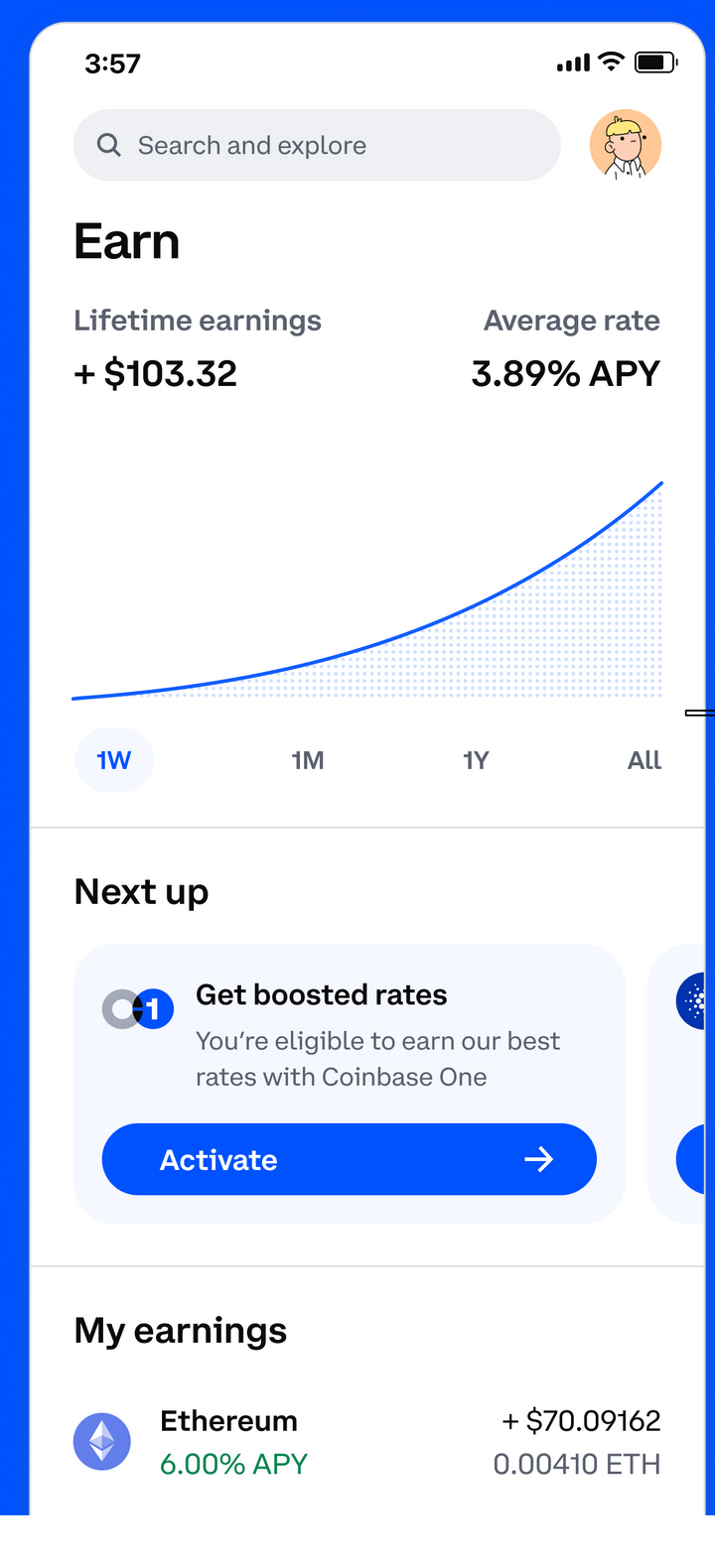
Staking in Coinbase:
Coinbase is a centralized exchange and one of the top crypto
trading platforms. Coinbase offers a wide number of crypt pairs to trade and
stake. It offers staking periods of 1 month to 3 months both in Locked and
flexible staking. There are above 100 locked staking assets available on Coinbase
Exchange.
Takeaway
Proof of Stake is an advantage over Proof of Work as it saves
a lot of energy and discourages carbon emissions. No doubt Staking crypto is
beneficial, especially for those whose funds are just sitting in their wallets
for nothing.
If you must stake your crypto, make sure you’re aware of the cons
and pros of what you’re getting into. Crypto rewards are intriguing but don’t
get carried away by seeing huge APRs or APYs. Always DYOR (Do Your Own
Research) before diving into the crazy world of cryptocurrencies.
Discover more from CoinageReport
Subscribe to get the latest posts sent to your email.
This article is for informational purposes only and is not financial advice.


